Understanding Text End Decorative Element: Calligraphi
When you’re finalizing a design project, the final details often determine whether the work looks polished or unfinished. You might have the perfect layout, the right imagery, and a solid color palette, but if the typography lacks that final flourish, the whole composition can feel flat. This is where specific design assets come into play, particularly those that add a sophisticated punctuation to your text. We are looking at Text End Decorative Element. Calligraphi, a specialized resource that serves a very particular but vital role in modern typography.
The Visual Essence of Calligraphic Flourishes
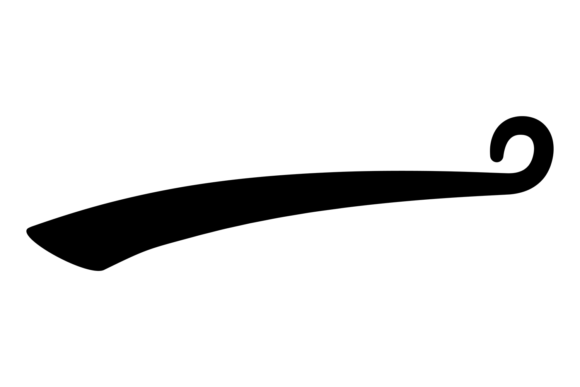
At its core, Text End Decorative Element. Calligraphi is exactly what the name suggests: a collection of vintage letter tails and ornamental strokes designed to cap off your text blocks. Isolated on a white background and available in versatile formats like EPS and JPG, these elements are rooted in traditional calligraphic styles. They feature the thick-and-thin stroke variations typical of high-end script fonts, but they exist independently as graphic assets.
The personality of these elements is undeniably classic. They evoke a sense of history, elegance, and craftsmanship. Unlike generic stock graphics, these calligraphic tails have an organic, hand-drawn quality. They can be sweeping, curvaceous, and dramatic, or subtle and understated depending on the specific design you select. Because they are vector-based (in the EPS format), they maintain their crispness whether you scale them down for a business card or blow them up for a poster. This scalability is a crucial feature for any premium font or asset pack, ensuring your brand identity remains consistent across all mediums.
Where This Style Fits Best
Understanding where to deploy Text End Decorative Element. Calligraphi is key to using it effectively. This isn't a tool for body text or technical manuals; it is a display font style asset meant for impact. It shines brightest in specific contexts:
- Wedding and Event Stationery: The obvious fit. These tails add romance and formality to invitations, save-the-dates, and menus.
- Logo Design and Branding: For brands positioning themselves as luxurious, artisanal, or boutique, these elements can transform a simple wordmark into a memorable logo design. Think high-end bakeries, jewelry designers, or bespoke tailoring services.
- Editorial and Publishing: In editorial design, these flourishes work beautifully as drop caps, chapter endings, or pull-quote decorations. They guide the reader’s eye and add a layer of visual richness to magazine layouts.
- Packaging Design: If you are working on packaging design for gourmet foods, cosmetics, or artisanal crafts, a calligraphic tail can bridge the gap between the product name and the description, adding a touch of class that implies quality.
- Digital Assets: Don't limit this to print. In web design, these elements can be used as dividers or section terminators. They are also incredibly popular in social media graphics, where a quick flourish can make a quote post or a sale announcement stand out in a crowded feed.
Strategic Impact on Design and Perception
Using decorative elements like Text End Decorative Element. Calligraphi goes beyond mere decoration; it influences how your audience perceives your message. Typography is a silent ambassador for your brand. When you incorporate these vintage tails, you are signaling specific values without writing a single extra word.
First, there is the aspect of visual hierarchy. In a busy layout, the eye needs anchors. A calligraphic flourish naturally draws attention, making it an excellent tool for highlighting a headline or a call to action. However, this power requires restraint. If every sentence ends with a swirl, the design becomes chaotic, and readability suffers. The most effective use is strategic—perhaps marking the end of a main title or framing a key statistic.
Second, these elements contribute to audience engagement. In a digital landscape dominated by geometric sans serif fonts and minimalism, a touch of vintage calligraphy creates a moment of pause. It feels human. For a small business owner or a blogger, this human touch can make a brand feel more approachable and less corporate. It suggests that a real person is behind the content, someone who cares about aesthetics and tradition.
Practical Guidance for Implementation
Before you integrate Text End Decorative Element. Calligraphi into your next project, it’s worth evaluating a few practical considerations to ensure a smooth workflow.
Evaluating Project Fit: Ask yourself if the overall tone of your project matches the vintage aesthetic. If you are designing for a tech startup focused on speed and efficiency, a heavy calligraphic tail might feel out of place. Conversely, if you are crafting a brand identity for a tea house or a stationery shop, it is a perfect match.
Font Pairing: This is perhaps the most critical step. Calligraphic elements rarely work well when paired with other ornate script fonts or handwritten fonts. The result is usually visual clutter. Instead, pair these decorative elements with clean, sturdy typefaces. A geometric sans serif font provides a modern contrast that lets the flourish pop. Alternatively, a classic serif font with low contrast can create a harmonious, traditional look. The goal is balance—let the decorative element be the star, and the supporting text be the stage.
Technical Integration: Since this asset comes as an EPS and JPG, you have flexibility. The EPS vector format is ideal for print work and allows you to change the color of the flourish to match your brand palette exactly. The JPG is convenient for quick mockups or digital use where vector editing isn't available. When placing these elements, pay close attention to the kerning and leading of your main text. You may need to manually adjust the spacing so the tail doesn't collide awkwardly with the letters.
Licensing and Commercial Use: Always verify the licensing terms. If you are using Text End Decorative Element. Calligraphi for a client’s commercial packaging or a product for sale, ensure your license covers commercial use. Most design assets from reputable marketplaces include this, but it is the designer's responsibility to confirm.
Elevating the Everyday
Ultimately, tools like Text End Decorative Element. Calligraphi allow content creators and marketers to elevate their work from functional to memorable. It’s about adding a layer of modern typography sophistication that respects the history of the written word while serving contemporary needs. Whether you are designing a wedding invite, a social media header, or a product label, these small details accumulate to create a cohesive, professional, and engaging visual experience.
Don't be afraid to experiment. Try placing the element at the end of a title, or use it to underline a logo. Rotate it, flip it, or change its color. When used with intention, these calligraphic vintage letter tails are more than just decoration; they are a statement of quality and care in your design process.