Ornate Elegance: The Butterfly Black Decorative Element
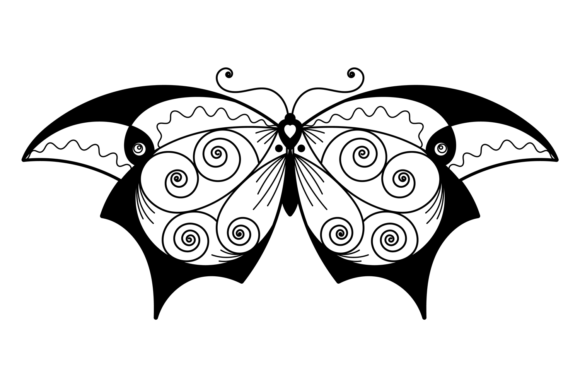
There is a specific kind of design asset that does more than just fill space; it sets a mood. The Butterfly Black Decorative Element is one of those rare finds. At first glance, it is a silhouette, a graphic representation of nature’s most delicate creature. But look closer, and you see the intricate detailing within the wings—the scrollwork, the baroque flourishes, and the sophisticated negative space that defines its "Eleg" style. This isn't just a simple bug shape; it is a statement piece. For graphic designers, brand strategists, and content creators, understanding how to leverage this level of ornate detail is key to elevating a project from amateur to professional.
What makes this particular asset stand out in a sea of standard vector graphics? It is the balance between the organic form of the butterfly and the structured complexity of ornamental design. When you download the Butterfly Black Decorative Element in formats like EPS, SVG, or transparent PNG, you are getting a versatile tool. The black silhouette creates a high-contrast anchor point, while the intricate internal patterns add texture and depth without overwhelming the viewer. It captures a vintage, almost Victorian aesthetic, yet the clean lines ensure it remains relevant in modern typography and layout design.
Visual Characteristics and Personality
The personality of the Butterfly Black Decorative Element is undeniably regal and artistic. It does not scream for attention with bright colors; instead, it commands respect through complexity. The "Eleg" style implies a specific visual language: think wrought iron gates, vintage bookplates, or the filigree on high-end stationery. The wings are often depicted with symmetrical precision, featuring swirls that taper into fine points. This style suggests that the brand or project using it values heritage, craftsmanship, and attention to detail.
In terms of visual hierarchy, this element is a powerhouse. Because it is isolated on a white background in the provided files, it offers maximum flexibility. You can treat it as a standalone logo mark, a watermark, or a recurring motif. The black colorway ensures it grounds the design. If you are working with a lighter, more airy color palette, the butterfly provides necessary contrast. If you are working within a dark mode interface or a moody editorial layout, you can easily invert the colors to white or metallic gold, instantly transforming the element into a glowing, ethereal decoration.
Strategic Applications for Modern Creators
For the entrepreneur or small business owner, the application of a premium decorative element like this extends far beyond aesthetics; it is about brand perception. Imagine a high-end cosmetics brand or a boutique event planner using the Butterfly Black Decorative Element in their branding. On a business card, the foil-stamped butterfly immediately communicates luxury. On a website header, it suggests a curated experience. It works beautifully for industries such as wellness, beauty, fashion, photography, and artisanal goods.
However, the utility of this asset is not limited to corporate branding. For bloggers and publishers, the butterfly serves as an excellent "drop cap" decoration or a section break in long-form articles. It adds a touch of editorial flair that keeps readers engaged. Content creators on social media can use the transparent PNG to layer over images, creating unique Instagram Story borders or Pinterest pins that stand out in a cluttered feed. The versatility of the formats—EPS and SVG for print scaling, JPG for quick web use, and PNG for layering—means you can integrate it into almost any workflow seamlessly.
Practical Design Considerations
When working with a highly detailed display font or decorative element like this, the golden rule is balance. Because the Butterfly Black Decorative Element is ornate, it pairs best with clean, simple typography. If you place it next to a complex handwritten font or a heavy serif font with too much contrast, the design can become noisy. Instead, try pairing it with a geometric sans-serif font or a modern, clean serif. This contrast allows the butterfly to be the star of the show while the text remains highly readable.
Furthermore, consider the medium. In digital design, ensure that the intricate details of the wings do not get lost at small sizes. While SVG formats scale infinitely, mobile screens have limitations. If the butterfly is reduced to a 20x20 pixel favicon, the internal filigree will disappear, leaving a muddy blob. In such cases, it is better to use the element at a larger size or simplify the usage. For print design, the opposite is true: this element shines. On packaging design, wedding invitations, or book covers, the fine lines of the vector art will print crisply, adding a tactile quality to the visual experience.
Integrating the Element into Your Workflow
To truly master the use of this asset, you need to think about it as part of a larger system. How does the butterfly interact with your chosen color palette? How does it sit alongside your primary logo? A common mistake is treating decorative elements as afterthoughts. Instead, build your layout around the Butterfly Black Decorative Element. Use it to frame content. Let it sit in the corner of a menu card to guide the eye, or use two mirrored butterflies to create a symmetrical border for a certificate.
For those in the crafting community, the availability of this design in vector formats opens up a world of possibilities. You can use the cut file for vinyl decals, etching onto glass, or creating intricate stencils for painting. The "Eleg" style is particularly popular in DIY home decor, where a touch of vintage sophistication is often desired. By utilizing the black silhouette, you can easily customize the element to match any season or theme, proving that a good design asset is an investment that pays dividends across multiple projects.
Ultimately, the Butterfly Black Decorative Element is more than just a graphic; it is a design multiplier. It brings an air of sophistication that is hard to fake with standard tools. Whether you are designing a luxury brand identity, creating editorial content, or crafting a personalized gift, this element provides the finishing touch that separates the good from the great. It reminds us that in a digital world, the beauty of intricate, timeless design still has a powerful place.