Hand Drawn Flower Bouquets Decorative: A Designer's Go-To
There's a particular warmth you can't fake in design. It's the subtle imperfection of a hand-drawn line, the organic flow of a petal sketched by a human hand. In a digital landscape often dominated by sterile precision, Hand Drawn Flower Bouquets Decorative offers a refreshing return to the artisanal. This isn't just a collection of floral motifs; it's a versatile design asset that injects personality, charm, and a touch of nature into any project. For designers, marketers, and creators seeking to break through the noise, this resource provides a distinct visual language that feels both personal and professional.
More Than Just Flowers: Understanding the Visual Language
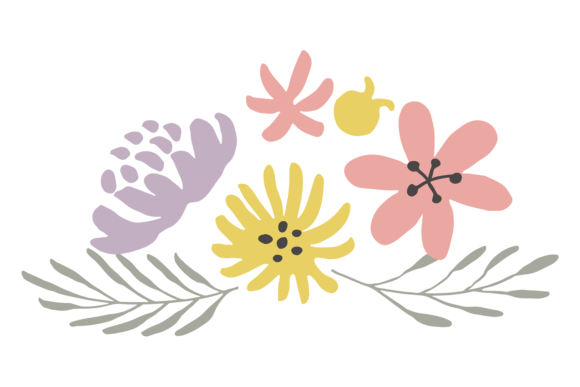
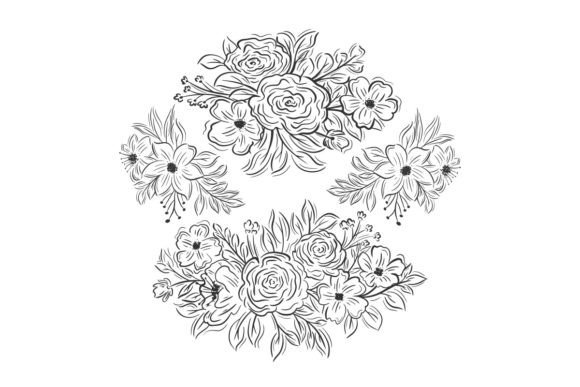
At its core, Hand Drawn Flower Bouquets Decorative is a curated set of vector illustrations characterized by their sketch-like quality. The lines are confident yet organic, avoiding the rigid symmetry of digitally generated flora. You'll find a mix of detailed blooms and simpler, gestural leaves and stems, offering a range of complexity for different applications. The style leans into a modern botanical illustration aesthetic—it's clean enough for professional use but retains the soulful texture of a sketchbook.
The personality of this font and illustration set is approachable, creative, and subtly elegant. It doesn't scream for attention with loud colors or intricate patterns. Instead, it communicates through authenticity. This makes it an excellent creative font choice for brands and projects aiming to convey warmth, craftsmanship, care, and a connection to the natural world. It's the visual equivalent of a handwritten note on a beautifully textured card.
Practical Applications: Where This Style Truly Shines
The true value of Hand Drawn Flower Bouquets Decorative lies in its adaptability. Its vector format is a game-changer, allowing for infinite scalability without loss of quality. Need a massive banner for a trade show? A tiny icon for a mobile app? This asset handles it seamlessly. Let's break down where it becomes an indispensable part of your design toolkit.
Branding and Identity
For logo design and brand identity, these floral elements can become the cornerstone of a visual system. A boutique wedding planner, an organic skincare line, a local florist, or a specialty coffee shop could use a single bouquet as a standalone logo mark or integrate elements into a larger monogram. The hand-drawn style immediately sets a brand apart from competitors using generic corporate imagery, fostering instant recognition and a perception of authenticity. It tells customers, "We care about the details."
Editorial and Publishing Design
In editorial design, these decorative elements add visual interest without overwhelming the content. Use them as chapter openers in a book, as subtle borders for a magazine feature on gardening or lifestyle, or as spot illustrations in a blog post about wellness. They break up text-heavy layouts, improve readability by providing visual resting points, and enhance the overall reader experience. For publishers and bloggers, this is a tool to elevate content from merely informative to genuinely engaging.
Digital and Print Marketing
For marketers and small business owners, the applications are vast. Consider packaging design for a small-batch product—floral accents on labels, boxes, or tissue paper create a memorable unboxing experience. For social media graphics, these bouquets can frame promotional text, add flair to Instagram stories, or create cohesive Pinterest pins. The style is inherently shareable and visually appealing in a feed. In print, think of business cards, thank-you notes, wedding invitations, and event flyers where this handwritten font style communicates care and attention.
Making It Work: Implementation and Best Practices
Integrating a strong visual element like Hand Drawn Flower Bouquets Decorative requires a thoughtful approach. Its power lies in its ability to complement, not dominate. Here’s how to use it effectively to build visual hierarchy and strengthen your project's brand perception.
Choosing and Pairing Fonts
This asset works beautifully in concert with other typefaces. The key is contrast. Pair its organic forms with a clean, geometric sans serif font for body text to ensure maximum readability. For a more classic or elegant feel, combine it with a refined serif font. The floral elements themselves can act as a display font for headlines or pull quotes, while a complementary script font can be used sparingly for accents. Always test your font pairing in context—see how the text and illustrations interact on both a screen and a printed mockup.
Evaluating Project Fit and Licensing
Before diving in, consider the project's tone. While versatile, this style is inherently warm and personal. It might not align with a brand aiming for ultra-minimalist, high-tech, or severe corporate austerity. Always review the included styles and files. The inclusion of AI and EPS files is a significant advantage, offering flexibility in Adobe Illustrator and other vector editors.
Crucially, understand the commercial font and asset licensing. Since this is a premium font and design resource, ensure the license permits your intended use—whether for client work, merchandise, or digital products. This due diligence is a mark of professionalism and protects your work down the line.
Testing for Consistency and Impact
Once you begin incorporating the elements, step back and evaluate the overall composition. Do the illustrations support the visual hierarchy, guiding the viewer's eye naturally? Do they enhance the message or distract from it? Consistency is key to building a strong brand identity. Use the floral elements in a consistent manner across all touchpoints to create a cohesive and recognizable look. This builds trust and professionalism.
Ultimately, Hand Drawn Flower Bouquets Decorative is more than a decorative add-on. It's a strategic design choice. It offers a way to humanize digital communication, add depth to printed materials, and create a distinctive aesthetic that resonates on a human level. For the designer, entrepreneur, or creator, it’s a tool that doesn’t just make things look pretty—it helps tell a more compelling, authentic story. In a world of perfect vectors, sometimes the most powerful design choice is to embrace the beautiful, deliberate imperfection of the human hand.